Pitching National Morning and Daytime TV Talk Shows: 3 Steps to Get it Right
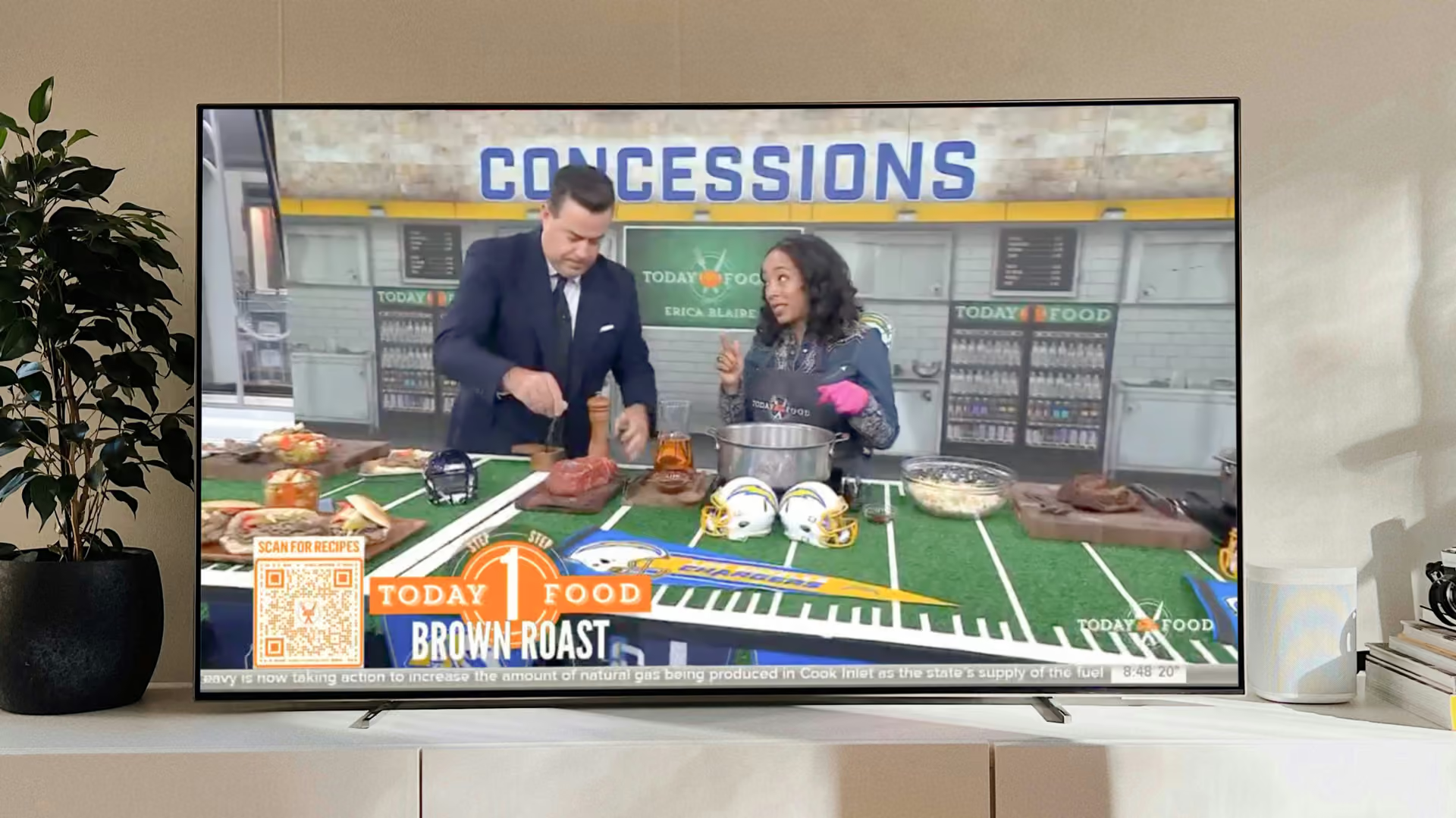
Even though morning and daytime talk show viewership has steadily declined for over a decade, the top shows are still attracting new audiences, delivering on ratings and resonating with adults 25-40 years of age, the key purchasing demographic. What's more, these platforms are still considered the pinnacle for consumer-facing brands due to their credibility, mainstream penetration, cross-platform promotion and ability to create viral, shareable moments. And they are increasingly meeting younger viewers on channels like TikTok and Instagram, creating an omnichannel powerhouse that is evolving with the times. We recently landed a major TODAY Show Morning Boost segment for 12-year-old Ryder Boen, who heard clearly for the first time with the help of his new Nucleus Nexa System, the world’s first smart cochlear implant. Once TODAY posted the heartfelt, joyful video to their social channels, it instantly went viral, garnering millions of views and counting, while providing hope to the many families navigating their own hearing loss journeys.
Here are the three steps we followed to ultimately secure a placement that was syndicated to 151 local broadcast affiliates, garnering more than 1 billion impressions.
Step #1: Do your research.
Comprehensive media research is the foundation of any successful media relations strategy; it’s how you’ll curate a plan for who and what to pitch – and why. Your research should consider your target audience (does your target watch the outlet you’re pitching?) and content (if you’re pitching a cooking segment, does the show you’re pitching do them?). As you dig into your target show, watch past episodes, identify relevant reoccurring series or the most fitting show hours, follow them on social media and check their booking page frequently, if they have one, to get a pulse on what they’re sharing and how your brand can tie in.
After your research uncovers the perfect TV show, segment or hour for your story, finding the right contacts to pitch is next. Start with assistant and associate producers. If they like your offer, they’ll pitch it to their senior producers who ultimately determine if your segment idea turns into an on-air win.
Step #2: Write a customized pitch that tells a story.
What’s the theme of your segment? Who are your storytellers? How does your offer align with the culture, vibe and focus of the show?
For TV, your pitch should paint a picture that helps producers “see” what the segment will look like on air. Position your offer to ensure your key message makes it into the segment, but that it’s not so branded it gets rejected by producers – after all, this is an earned story, not a paid piece or an ad. And, finally, include assets that elevate your pitch. Share a video link that showcases your expert or storyteller in action to confirm your spokesperson is poised, experienced and comfortable in a broadcast interview environment. If you’re pitching a product, link to photos that vividly bring it to life.
Step #3: Hurry up and wait.
Are you pitching a segment idea for an upcoming holiday? Most shows book out months in advance, so get started early. If you aren’t getting a response, be persistent and flexible. Pace out your follow ups and have a reason to check in. For example, tie timely, new hooks into your pitch – new trends or cultural happenings since you last emailed, or something relevant you saw on a recent episode – that make your check in worth the producer’s time to read and respond to.
And when you do generate interest, be patient. There will be multiple rounds of questions, pre-interviews, and photo and video requests before the segment is confirmed. Once you finally make it on air, though, celebrate! Amplify the win on social and leverage it as a pitch hook for your spokesperson with other non-competing outlets, like national print/online, as well.
Are you interested in developing a national media relations strategy for your company or brand? We can help. Contact our team here.